

By Brad Layland | CEO & Senior Consultant | Author of Turning Donors into Partners
Key Takeaways
- The most dangerous mistakes rarely happen in the moment. They begin long before.
- Fatigue and distraction don’t just impact individuals; they break down teams.
- Systems and checklists only work when someone takes ownership of them.
- Experience and success can quietly tempt us to skip the very processes that protect us.
This past weekend, I made a mistake. Not a catastrophic mistake. Not one that made headlines. But one that could have. And like most mistakes, in both flying and fundraising, it didn’t start in the moment. It started long before I ever got in the plane.
It Started With Fatigue
First came Saturday: an 80-mile bike ride. Toward the end of the ride, when I was tired, I crashed. Hit the ground. Banged up my wrist. Shook it off, got back on the bike, and finished the ride. Because that’s what I do. Push through.
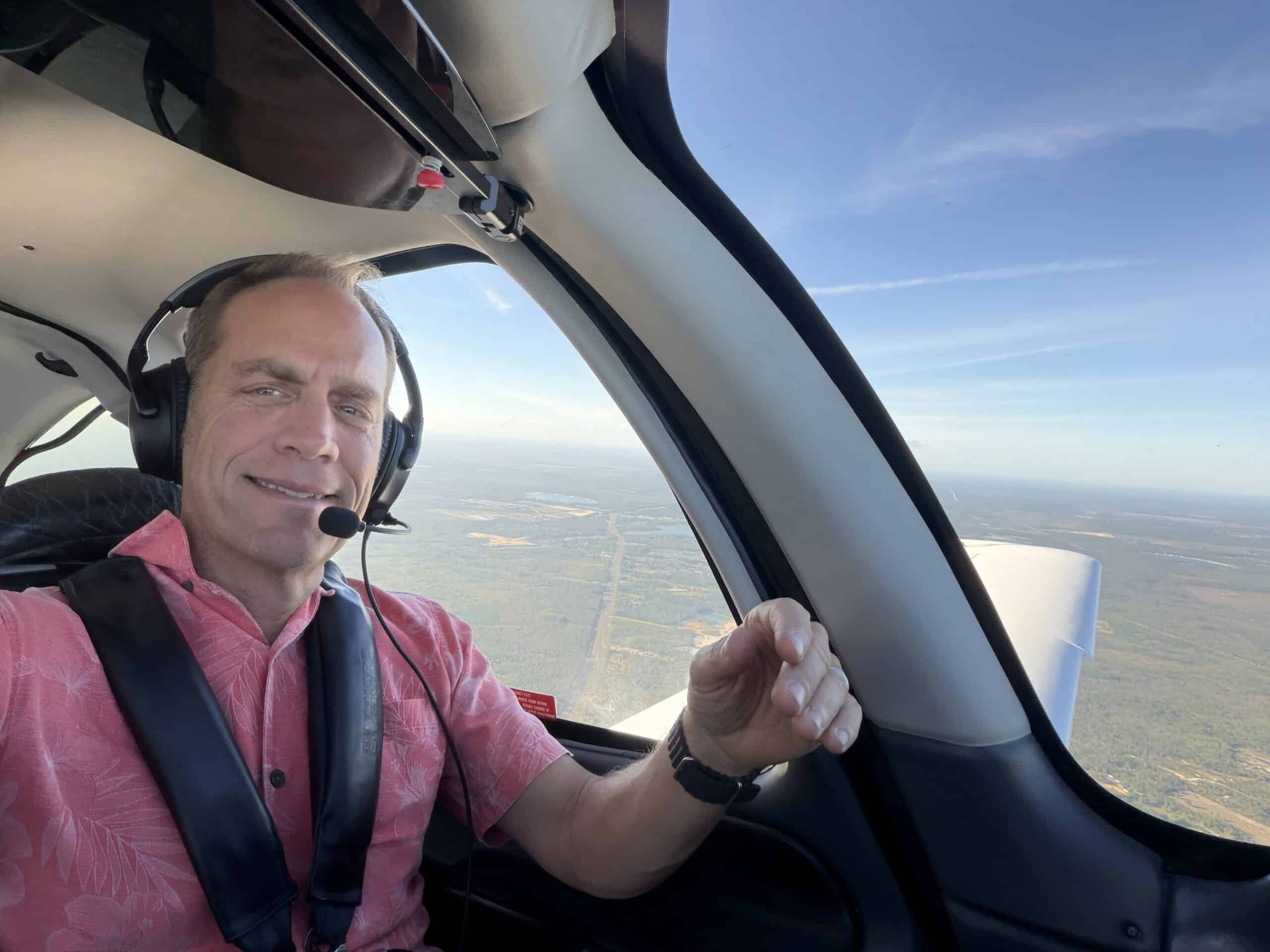
Then Sunday at 5:30 AM, I got up and did what I do on most Sundays: I ran a half-marathon. But this Sunday was different; instead of going to church after my run, I was going on a flight, not on Delta, but in a rented plane where I was the pilot.
Now technically, I was legal to fly. But there’s a difference between being legal and being ready. To my credit, I made one really good decision in the middle of several questionable ones: I hired another pilot to fly with me. But here’s what I didn’t fully appreciate: Even with help, fatigue still shows up.
The Flight Was Perfect Until It Wasn’t
We flew into Seaside, Florida, so I could meet with some generous partners who give to multiple clients that The FOCUS Group serves. The weather? Perfect. The flight? Smooth. Until the approach.
Air traffic control was a little late getting landing instructions to me, which compressed everything. Suddenly, instead of a calm, methodical landing, I was moving quickly. Rushing.
And then, at about 500 feet, the plane started screaming. Alarms. Warnings.
“Pull up. Pull up. Terrain ahead. Pull up, Pull up.”
My heart rate spiked. My mind narrowed. The warnings were loud and disturbing.
Now, I had been trained for this. I knew it was an error. I knew to trust my training and ignore distractions. All of my training says, “Look out and fly the plane.” Which I did.
My co-pilot immediately jumped in to manage the alarms, to diagnose, to silence, to make sure we weren’t actually in danger. And that’s where something subtle but important happened.
The Breakdown
In a well-functioning cockpit, there’s shared responsibility. I was focused on flying the plane in a compressed, rushed approach. My co-pilot was fully engaged in dealing with the warnings. And because of that, no one did the checklist. No one caught that we skipped it.
In the rush, noise, and fatigue that started the day before, we missed it. One critical step? Turning on the fuel pump and increasing fuel flow for landing. I ended up landing the plane just fine. But the moment we touched down…
The engine stalled.
Silence.
Now thankfully, I was already on the ground. Safe. No harm done. I restarted the motor, and we taxied to our gate.
But let’s be clear: If that engine had stalled 30 seconds earlier, we’d be telling a very different story. Or would I have been writing this story at all?
Checklists Matter
That moment has been sitting with me. Because the point of telling this story is not really about flying. It’s about fundraising.
In my book Turning Donors into Partners, I talk about the importance of process, of doing the right things in the right order. Fundraising isn’t random. It’s not just passion or personality.
There is a process.
And just like a landing checklist, it exists for a reason.
The Dangerous Lie We Tell Ourselves
Here’s the trap:
“I’ve done this before.”
“I know what I’m doing.”
“I’ve got help.”
“We’ll catch it.”
And sometimes, you do. Sometimes you skip a step, and everything still works out. Just like I skipped a step and still landed the plane. But that doesn’t make it safe. It makes it risky.
Here’s what struck me most: I didn’t miss the checklist because I was alone. I missed it while flying with another pilot. Why? Because distraction and fatigue divide our attention.
He was doing the right thing. I was doing the right thing. But no one was doing the complete thing. And that’s how systems break down.
The Ask Is a Checklist
In fundraising, we don’t just “wing it.”
We:
- Build the relationship.
- Establish trust.
- Present a clear case.
- Involve the donor.
- Ask specifically.
- Show them how to give.
These aren’t suggestions. They’re steps. And just like in the cockpit, someone has to own them. Because when distractions come, and they always do, the process is what keeps you safe.
The Outcome and the Grace
By the way, the partner meeting I was going to in Seaside went great. The relationship is strong. The conversation was meaningful. The opportunity is exciting. But success doesn’t erase the lesson.
The mistake wasn’t at 500 feet. It was on the bike. It was in the decision to push through fatigue. It was in underestimating how unforeseen distractions could happen. It was assuming the other backup pilot would catch my mistakes.
Whether you’re flying a plane or sitting across from a donor, the moments that matter most are the ones where you feel rushed, distracted, or confident enough to cut corners.
That’s exactly when the checklist matters most. Because the goal isn’t just to land the plane. The goal is to land it safely, every single time.
About the Author
Brad Layland is CEO of The FOCUS Group, a fundraising consulting firm serving more than 150 Christian ministries worldwide. He previously served as Chief Development Officer for Young Life and is the author of Turning Donors into Partners. Brad is a pilot and an avid marathon runner, and he lives in St. Augustine, Florida, with his wife Wendy. They have four children.
We’ve been privileged to help many organizations be more effective in their fundraising by learning and implementing relational fundraising principles in their work with donors. Want to talk?