

Brad Layland | CEO, The FOCUS Group | Author of Turning Donors into Partners
Key Takeaways
-
Sustainable growth requires better systems, but systems should always serve the mission rather than become the mission.
-
Fundraising is fundamentally relational because people are not transactions or sources of money.
-
Organizational values are most powerful when they describe convictions already embedded in the culture.
-
Growth is worth celebrating not because an organization becomes larger, but because increased capacity creates greater opportunities to serve.
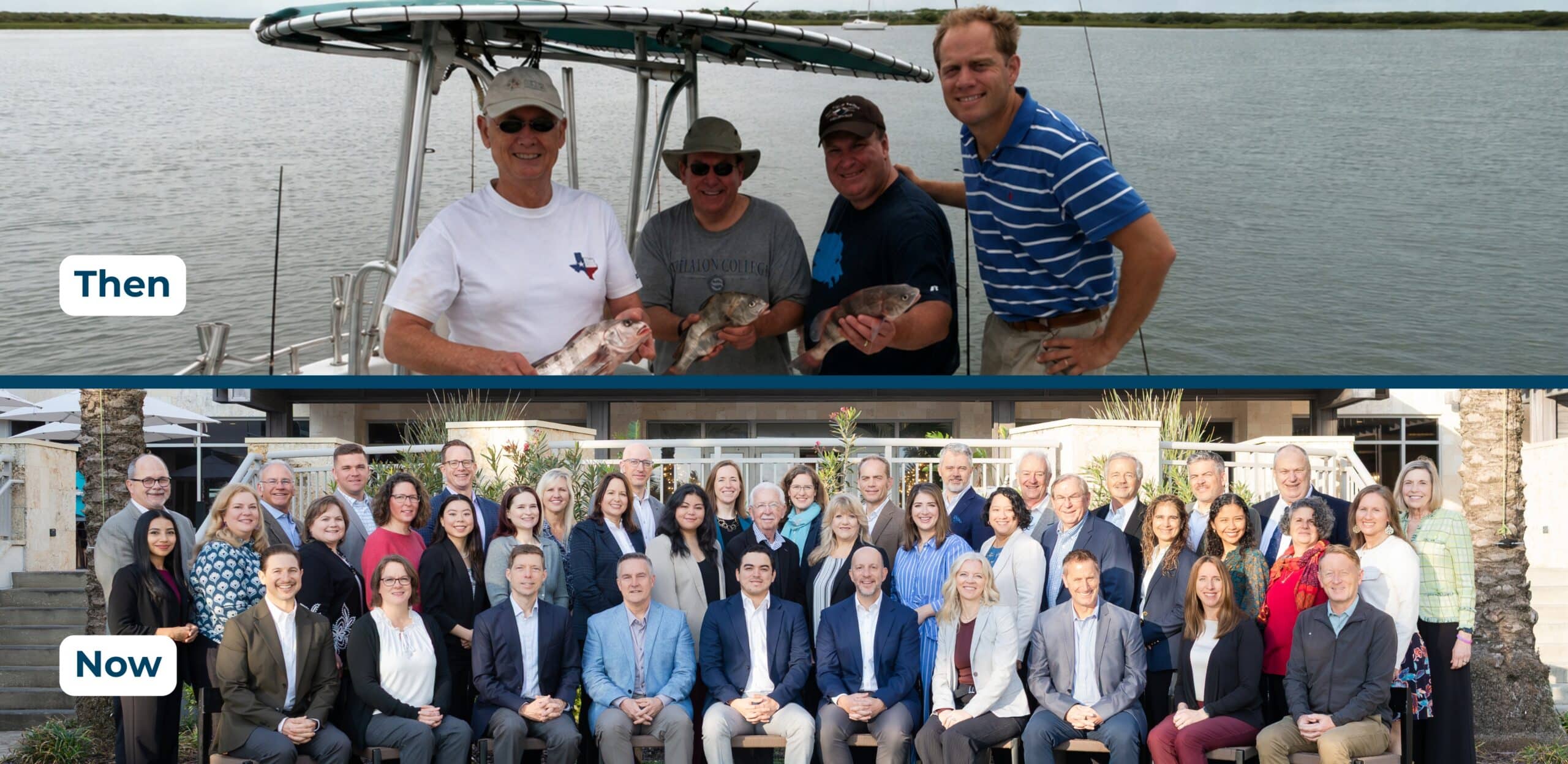
This year, I’m completing my seventeenth year at The FOCUS Group. Recently, I came across a photograph from a staff retreat in 2010. I was with three colleagues and at some point during the retreat we went fishing (see picture below). It’s one of those pictures that immediately transports me back to a different season of life. I look younger, of course, but what strikes me even more is how small our team was and how difficult it would have been for any of us to imagine what The FOCUS Group would eventually become.
 Brad Layland, with TFG colleagues Bill Hautt, Ted Rodgers, and Dan Tyman fishing during a 2010 staff retreat.
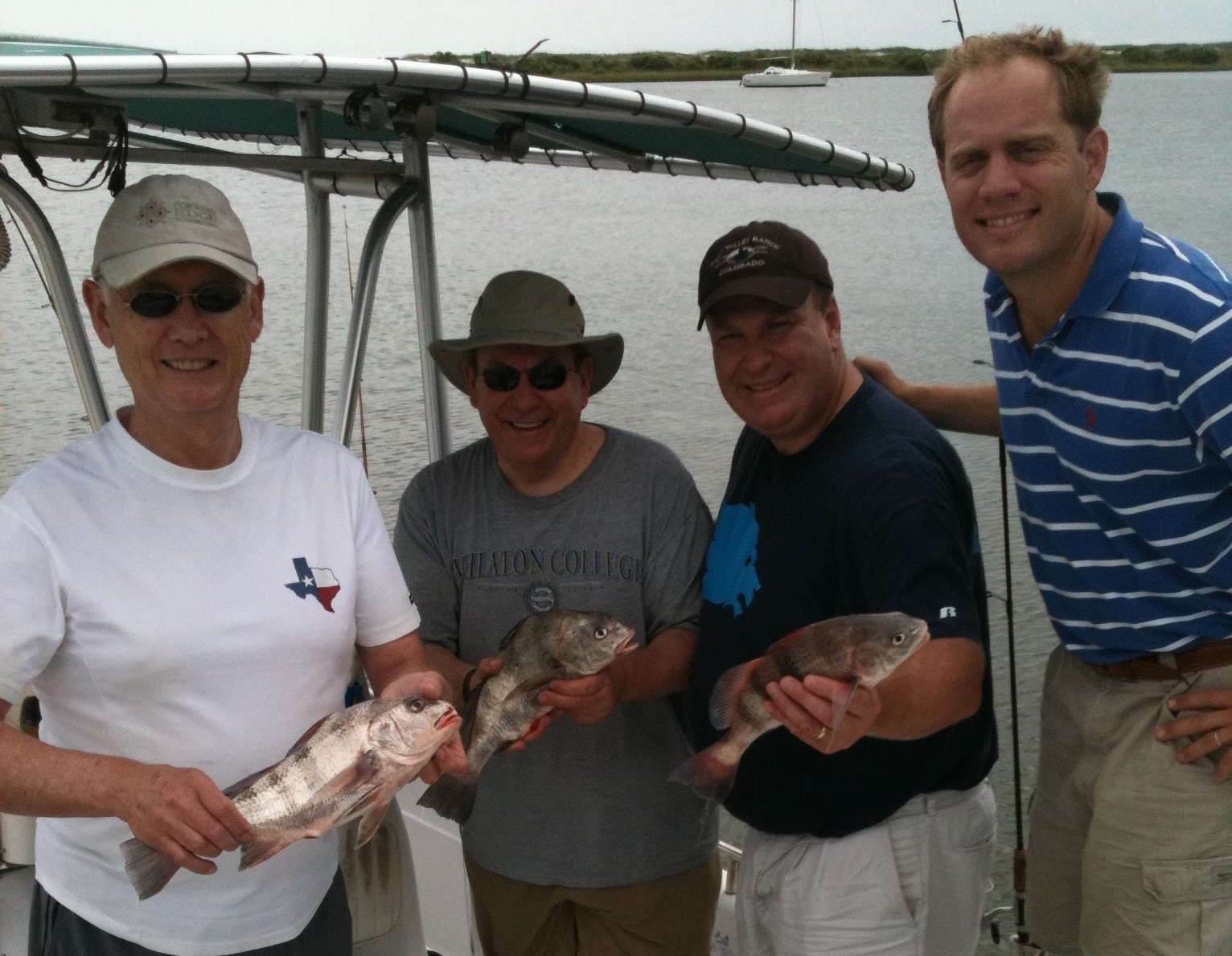 Brad Layland, with TFG colleagues Bill Hautt, Ted Rodgers, and Dan Tyman fishing during a 2010 staff retreat.
Today, 53 professionals serve with The FOCUS Group, working with ministries around the world. When I compare that old fishing picture with photographs from our recent staff gathering in Orlando, the difference is remarkable. What was once a small group working closely together has become a much larger organization, with consultants and professionals serving a number of ministries in many different places.
 The FOCUS Group team at a recent staff gathering in Orlando.
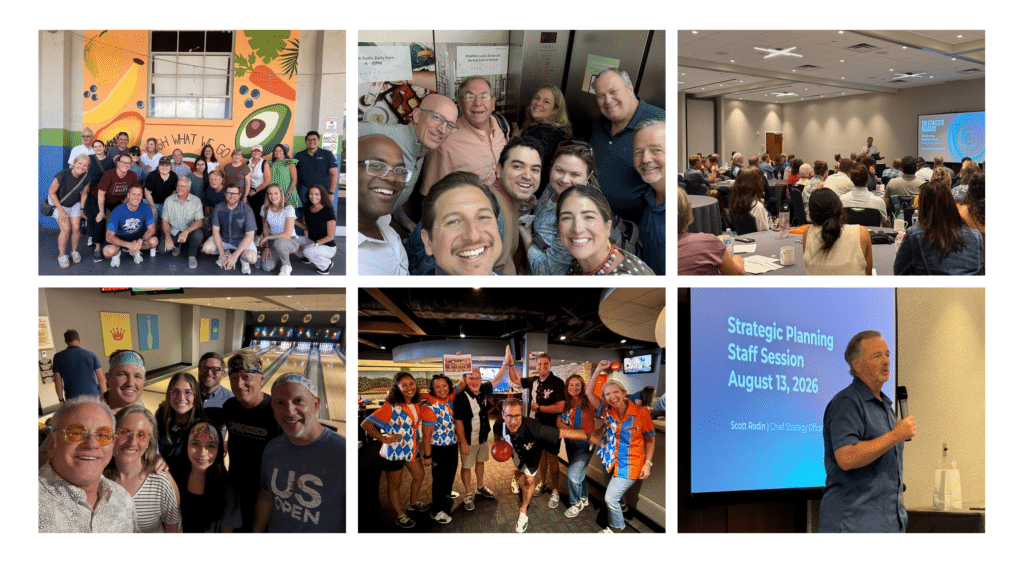 The FOCUS Group team at a recent staff gathering in Orlando.
 Looking at those pictures, however, I find myself thinking less about how much has changed and more about how much has stayed the same. The principles behind our Taking Donors SeriouslyⓇ system of fundraising are essentially the same ones we were teaching seventeen years ago. That isn’t because we’ve resisted new ideas or refused to adapt—quite the opposite. We’ve learned an enormous amount, changed our systems, refined our processes, and adapted to a rapidly changing philanthropic environment. But our foundational principles haven’t needed to change over the years because they were never based on a fundraising trend or the latest technique. They are rooted in biblical truth and, ultimately, in a biblical understanding of people.
Fundraising is relational because God is relational. Generosity matters because God is generous. And donors are not transactions, prospects, or sources of money. They are people created in the image of God who deserve to be treated accordingly. That conviction has always been at the heart of Taking Donors SeriouslyⓇ, and after seventeen years at The FOCUS Group—and more than three decades in fundraising—I believe it more strongly today than I did when I began.
In fact, one of the things I’ve become increasingly convinced of is that good fundraising is an expression of good theology. When we build authentic relationships, listen carefully, invite people into meaningful participation, ask clearly, and give people opportunities to use what God has entrusted to them, we are doing something much bigger than raising money. We are helping people participate in the work God is already doing.
That idea has not changed. What has changed is our understanding of the kind of organization we want to be while we do that work.
Jesus, Relationships, and Fun
Over the years, we have identified three values that capture the culture we want at The FOCUS Group: Jesus, relationships, and fun. We didn’t invent those values in a conference room and then try to impose them on the organization. Looking back at that fishing picture from 2010, I realize they were already present. We simply didn’t articulate them as clearly as we do today.
Jesus comes first because this work ultimately belongs to Him. We aren’t trying to build The FOCUS Group simply for the sake of building a larger company. We want to serve ministries that are faithfully pursuing what God has called them to do, and we want to help those organizations develop the relationships and resources they need to pursue that calling. If our growth ever becomes more important than the Kingdom work our growth allows us to serve, we will have lost our way.
Relationships come next because almost everything worthwhile in our work happens through relationships. That is true in our relationships with donors, with clients, and with one another. Fundraising strategies matter. Campaign plans matter. Feasibility studies matter. But none of those things can substitute for trust between people. It is difficult to take donors seriously if we do not first take people seriously.
And then there is fun. I genuinely believe there should be joy in doing meaningful work together. Ministry can be difficult. Fundraising can be exhausting. There are enormous goals, disappointing results, challenging conversations, and seasons when the work simply feels heavy. But following Jesus and serving alongside people you respect and enjoy should also be deeply rewarding. I want us to work hard, pursue excellence, and take our responsibilities seriously without taking ourselves too seriously.
Perhaps that old fishing photograph captures those three values better than I realized at the time. We were a group of people who loved Jesus, enjoyed being together, and believed deeply in the work God had given us to do. Seventeen years later, I hope those same qualities are still recognizable when someone spends time with our team.
When Growth Requires Change
While our foundational principles have remained consistent, the way we operate has changed enormously. As The FOCUS Group has expanded, we have had to become far more disciplined about systems, processes, communication, and organizational structure. I’m grateful for those changes because without them, we could never serve ministries at our current scale with the excellence they deserve.
One statistic captures that transformation particularly well. In 2010, we completed two feasibility studies during the entire year. This year, we expect to complete 50 or more. At the moment, we are involved in 22 feasibility studies simultaneously.
I sometimes think about what would happen if the four people in that fishing photograph tried to manage 22 simultaneous feasibility studies using the way we operated in 2010. I don’t think any of us would survive it.
The scale requires better systems, clearer processes, stronger communication, and, most importantly, a much larger team of gifted professionals. But I never want us to mistake those systems for the reason we exist. Systems are valuable because they allow us to serve more ministries—and to serve them well. The process exists for the mission, not the other way around.
The same is true of growth itself. I never want us to confuse growth with success. Having 53 professionals on our team is not, by itself, a reason to celebrate. Neither is completing 50 feasibility studies in a year. Revenue, head count, projects, and clients can all tell us something about an organization, but none of them answers the most important question: What is God allowing us to be part of through that growth?
That is the measurement that matters most to me.
Every time we help a ministry become healthier in its fundraising, we help that organization pursue the work God has entrusted to it. We get to come alongside people who feel called to something larger than themselves and help them invite others to participate in that calling. Sometimes that means helping build a school, expand a ministry, launch a campaign, strengthen a development team, or cultivate relationships with people who want their generosity to matter. Ultimately, though, our work is never simply about raising money. It is about helping ministries become more effective in fulfilling their mission.
That is an extraordinary privilege, and growth matters to me primarily because it allows us to participate in more of that work.
Knowing What Must Never Change
One of the challenges of leadership is learning to distinguish between what should change and what should never change. Organizations that refuse to change eventually become irrelevant (think: Kmart, Sears, or Kodak). But organizations that change everything eventually forget who they are.
Leaders have to hold both realities at once.
Our systems should improve. Our technology should advance. Our processes should become more efficient. We should learn from mistakes, develop new leaders, and continue finding better ways to serve our clients as philanthropy changes. I hope The FOCUS Group operates very differently in seventeen years than it does today because I hope we will have continued learning and growing.
But I also hope someone can look at a picture of our team seventeen years from now and recognize the same things I see when I look at that fishing photograph from 2010.
I hope Jesus is still at the center.
I hope relationships still matter more than transactions.
I hope donors are still treated as people rather than sources of money.
I hope we are still helping ministries invite people into meaningful partnership rather than simply teaching them how to raise more money.
And I hope we are still having fun doing it together.
As I complete my seventeenth year at The FOCUS Group, I’m enormously grateful for the growth we’ve experienced. I’m grateful for Bill Hautt and the principles he established long before I arrived. I’m grateful for the people who were there in those early years and for the 53 professionals who make up our team today. I’m grateful for the ministries around the world that trust us enough to invite us into some of their most important opportunities and challenges.
But most of all, I’m grateful that the center has not moved.
Seventeen years ago, I could not have imagined what The FOCUS Group would look like today. I certainly could not have imagined 53 professionals serving ministries around the world or 22 feasibility studies happening simultaneously. And I have no idea what this organization will look like seventeen years from now.
My deepest prayer is that whatever changes, the things that matter most stay the same.
Jesus is still the reason. Relationships still matter. People are still more important than transactions. Generosity is still an opportunity to participate in what God is doing. And our role is still to help ministries faithfully steward the relationships and resources God has placed around them.
Maybe that is one of the great responsibilities of leadership: to have the courage to change what needs to change and the wisdom to protect what never should.
About the Author
Brad Layland is CEO of The FOCUS Group, a fundraising consulting firm serving more than 150 Christian ministries and organizations. He joined The FOCUS Group in 2009 after a 20-year career with Young Life, where he served as Chief Development Officer, and purchased the firm in 2012. Since then, The FOCUS Group has grown tenfold and today includes a team of more than 50 staff and consultants serving Christian ministries.
Over the course of his career, Brad has helped lead major capital campaigns for organizations including Dallas Theological Seminary, InterVarsity Christian Fellowship, Union Rescue Mission, The Bowery Mission, and Veritas School. He is the author of Turning Donors into Partners (InterVarsity Press), which debuted as the #1 new release in Philanthropy and Charity on Amazon.
Brad earned his B.A. in Communications from the University of Florida and his M.A. in Theology from Fuller Theological Seminary. He serves as an elder at Good News Church in St. Augustine, Florida. Brad and his wife, Wendy, have four children and share a love of travel, having visited more than 45 countries together.
We’ve been privileged to help many organizations be more effective in their fundraising by learning and implementing relational fundraising principles in their work with donors. Want to talk?